
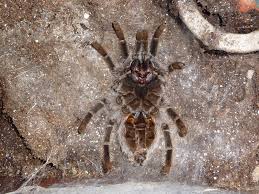
When a tarantula lies motionless, curled up, or flipped on its back, it can be terrifying — especially for new keepers. But stillness doesn’t always mean tragedy. Tarantulas molt in very dramatic ways, and a normal molt can look almost identical to a dead spider.
This guide breaks down how to tell if your tarantula is molting or dead, what signs to check, and what to do in both situations.
Understanding the Tarantula Molt
Tarantulas grow by shedding their old exoskeleton — a process called molting. During a molt, tarantulas become extremely vulnerable and may remain still for hours (sometimes an entire day).
To protect themselves, they enter strange positions that look alarming to beginners.
Is My Tarantula Molting or Dead? Key Differences
Here are the clear signs that help you determine what’s happening.
Signs Your Tarantula Is Molting (Normal)
1. On Its Back (Supine Position)
This is the biggest sign of a molt.
A molting tarantula lies completely upside down — legs in the air, belly on the substrate.
This position almost NEVER means death.
2. Very Still, But Slight Twitching
During a molt, tarantulas barely move except for:
- slow leg twitching
- gentle stretching
- abdomen pulsing
These subtle movements show the tarantula is alive.
3. Dull, Dark, or Shiny Exoskeleton
Before molting, colors look:
- darker
- faded
- shiny on the abdomen
- bald patch turning black
This indicates a molt is coming.
4. Refuses Food Before Molting
A tarantula typically stops eating for:
- days
- weeks
- even months (especially adults)
This fasting is normal.
5. Webbing a Molt Mat
Many species create a silky mat or webbed patch to molt on.
This “molting blanket” is a strong indicator of a molt—not death.
6. Abdomen Appears Full and Healthy
During premolt:
- abdomen is round
- skin is intact
- no deflation
This is different from dead specimens.
Signs Your Tarantula May Be Dead
1. Death Curl (Legs Curled Under the Body)
When dead, a tarantula’s legs pull inward tightly under its body — like a fist.
This position NEVER happens during a molt.
2. Completely Unresponsive
A dead tarantula will:
- not react to gentle air movement
- not twitch
- not move legs
- stay rigid or floppy
Use a soft tool like a paintbrush to check (never poke hard).
3. Abdomen Appears Shrunken or Deflated
A dehydrated or dead tarantula has:
- wrinkled skin
- shrunken abdomen
- collapsed legs
This is a critical sign of severe trouble.
4. Lying on Its Belly, Legs Curled
If the tarantula is upright (normal standing position) and the legs are curled inward, it’s likely dead or dying.
Tarantulas do NOT die upside down.
5. Strange Odor (In Some Cases)
A decomposing tarantula can produce a noticeable smell, especially if the body ruptured.
Molting spiders do not smell.
Why Tarantulas Die During Molting (Molting Complications)
Sometimes keepers find a tarantula dead during or after a molt. This happens when the tarantula experiences:
- stuck legs
- inability to push out of the old exoskeleton
- dehydration
- poor humidity
- old age
- genetic issues
- internal damage
- physical injury
Molting is physically demanding — especially for older females or species with heavy bodies.
What To Do If Your Tarantula Is Molting
1. Do NOT touch it
Handling a molting tarantula can kill it instantly.
2. Do NOT feed it
Crickets or roaches can injure or kill a molting spider.
3. Keep the enclosure dark and quiet
Stress during molt = failed molt.
4. Lightly increase humidity if species requires it
Especially for tropical tarantulas.
5. Leave it alone for at least 24 hours
Even when the molt is complete, the new exoskeleton takes time to harden.
What NOT to do
- Don’t spray the tarantula directly
- Don’t flip it over
- Don’t try to pull off the old skin
- Don’t assume it’s dead just because it looks motionless
What To Do If You Suspect Your Tarantula Is Dead
1. Check for final signs of life using:
- a soft makeup brush
- air movement
- gentle vibration near (not on) the enclosure
2. Do NOT freeze the body immediately
Sometimes tarantulas appear dead but are stuck in a molt.
3. If it’s dehydrated, attempt ICU care
A simple ICU involves:
- a ventilated container
- damp paper towels
- warmth
- darkness
This can revive mildly dehydrated tarantulas, but not molting failures.
Could It Be Dehydration Instead of Death?
Dehydrated tarantulas show:
- shriveled abdomen
- sluggish movement
- curled legs
- drooping posture
If you catch it early, rehydration may save it.
How to Reduce the Risk of Molting Deaths
✔ Always provide species-appropriate humidity
✔ Keep fresh water available
✔ Avoid handling during premolt
✔ Remove feeder insects immediately
✔ Provide proper substrate depth for burrowers
✔ Avoid high heat or dryness
✔ Keep the enclosure stress-free
Good husbandry prevents 90% of molt issues.
FAQ: Molting vs Dead Tarantula
1. Do tarantulas die on their backs?
Almost never.
Back = molting.
Curl = death.
2. How long does a molt take?
From minutes to 24+ hours depending on age and species.
3. How long after molting before a tarantula eats again?
- Slings: 5–7 days
- Juveniles: 7–10 days
- Adults: 10–14+ days
4. Should I increase humidity before a molt?
Yes — especially for tropical species.
Too much dryness can cause fatal molt complications.
5. Can tarantulas get stuck in molts?
Yes, due to dehydration or stress.
Often fatal without expert intervention.