
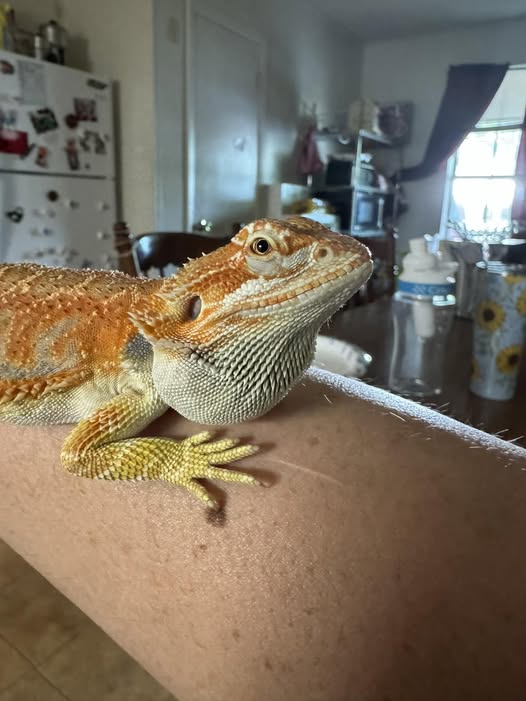
Jaw swelling in a bearded dragon is never something to ignore. While some cases are harmless (like stored fat), others can signal infection, metabolic bone disease, tumors, or dangerous abscesses.
This guide explains every major cause, how to tell if it’s serious, and what to do immediately.
Is Jaw Swelling in Bearded Dragons Normal?
Sometimes it’s normal, especially in healthy, well-fed adult dragons.
But in many cases, jaw swelling is a sign of illness or nutritional imbalance.
If the swelling:
- appears suddenly
- is hot, red, or painful
- grows over time
- affects eating
- appears only on one side
…it needs urgent reptile vet attention.
10 Common Causes of Swelling Under a Bearded Dragon’s Jaw
1. Fat Pads (Normal in Healthy Dragons)
Some adult bearded dragons develop natural fat deposits under the jaw.
These are:
✔ soft
✔ symmetrical
✔ not painful
✔ stable in size
What to do: nothing.
Just ensure the dragon isn’t becoming overweight.
2. Mouth Infection (Stomatitis / Mouth Rot)
A swollen jaw often appears with:
- yellow/white patches inside the mouth
- reluctance to eat
- foul smell
- redness along gum line
Stomatitis is painful and spreads fast.
Fix: reptile vet antibiotics + cleaning.
External reference:
- https://www.vetmed.ucdavis.edu/reptile-medicine (reptile medical resources)
3. Abscess (Hard Lump Under Jaw)
Abscesses form from:
- a bite from a feeder insect
- injury
- oral infection
Abscess swelling is:
✔ hard
✔ round
✔ doesn’t move
✔ may rupture if untreated
Fix: Only a vet can drain/flush/medicate a reptile abscess.
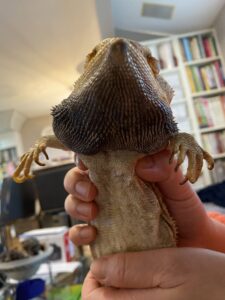
4. Metabolic Bone Disease (MBD)
MBD causes soft or rubbery jaw swelling due to calcium deficiency.
Other signs:
- shaky legs
- crooked spine
- weak grip
- swollen limbs
Fix immediately:
- Proper UVB bulb (T5 HO recommended)
- Correct calcium supplementation
- Diet adjustments
(Link to your “Feeding & Nutrition” or “Health & Illness” page.)
5. Parasitic Infection
Internal parasites (especially protozoa) can cause fluid retention.
Symptoms:
- lethargy
- diarrhea
- weight loss
- sudden swelling
Fix: fecal test + antiparasitic treatment from a vet.
6. Impacted Salivary Gland
The salivary glands under the jaw can become blocked.
This leads to soft swelling, sometimes tender when touched.
Fix:
- Increase hydration
- Vet exam for flushing or medication if infected
7. Tumors or Growths
Rare but possible in older dragons.
Clues:
- swelling is firm
- irregular shape
- keeps growing
- no pain at first
Only a biopsy can confirm.
8. Gout (Uric Acid Buildup)
Gout causes swollen joints and sometimes swelling under the jaw from fluid imbalance.
Clues:
- swollen toes or elbows
- thick, chalky urates
- dehydration
Fix: hydration + diet changes + vet treatment.
9. Jaw Injury or Trauma
If your dragon fell, bit hard food, or hit the tank décor, swelling may appear.
Symptoms:
- swelling on one side
- difficulty chewing
- tenderness
Fix: supportive care + X-ray if it persists.
10. Lymph Swelling After Infection
Reptiles have lymph nodes—when fighting infection, these can swell.
This swelling is usually:
✔ soft
✔ temporary
✔ paired with illness symptoms
Fix: monitor; seek vet care if lasting more than 48 hrs.
When to Worry (Red Flags)
Seek a reptile vet urgently if:
- swelling is painful
- only on one side
- growing quickly
- hard like a rock
- dragon isn’t eating
- breathing difficulty
- mouth discoloration
- lethargy
These indicate infection or structural damage.
What to Do Immediately (Step-by-Step)
1. Check the Inside of the Mouth
Look for:
- yellow patches
- redness
- foul smell
- bleeding
- stuck food
- injuries
If present → likely infection → vet ASAP.
2. Review UVB and Supplementation
Incorrect UVB is a major cause of bone/jaw issues.
Checklist:
- T5 HO UVB bulb
- 10–14 inches distance
- replaced every 6–12 months
- calcium with D3 4–5x per week
- multivitamin 1–2x per week
3. Ensure Proper Diet
Avoid:
- too many insects
- phosphorous-heavy foods
- large hard feeders
Aim for balanced greens + safe feeders.
(Internal link to “Bearded Dragon Feeding Guide”.)
4. Improve Hygiene & Tank Cleanliness
Mouth infections often start with:
- dirty tank décor
- bacteria in water
- mold in substrate
Disinfect regularly with reptile-safe cleaner.
5. Increase Hydration
Dehydrated dragons swell more easily.
Try:
- dropper hydration
- warm soaks
- offering juicy insects (hornworms)
6. Schedule a Vet Appointment If Swelling Lasts More Than 48 Hours
Jaw swelling rarely resolves on its own unless it’s simple fat pads.
External References
- Association of Reptile Veterinarians: https://arav.org
- UC Davis Veterinary Medicine (exotics): https://www.vetmed.ucdavis.edu/reptile-medicine
- Merck Vet Manual (reptile health): https://www.merckvetmanual.com/exotic-and-laboratory-animals/reptiles
❓ FAQ: Bearded Dragon Jaw Swelling
Why is my bearded dragon’s beard swollen but not black?
Likely fat pads or mild inflammation. If asymmetrical or painful → vet.
Is a swollen jaw always mouth rot?
No. Abscesses, MBD, tumors, and injuries can also cause swelling.
Can insects cause jaw swelling?
Yes—cricket bites or roach scratches can lead to abscesses.
Can a bearded dragon recover from jaw infection?
Yes—with early antibiotics and cleaning. Delayed treatment is dangerous.
What does MBD swelling look like?
Soft, rubbery bones, shaking limbs, swelling around face and jaw.