
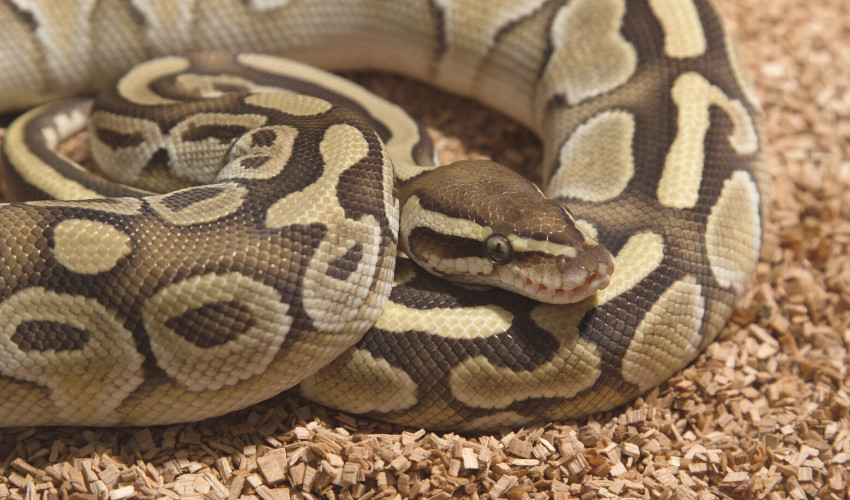
A ball python refusing to eat is one of the most common issues keepers face.
These snakes are notorious for going on “hunger strikes,” sometimes lasting weeks or even months.
But while some causes are totally normal, others require immediate correction to prevent stress, weight loss, or illness.
This guide covers all 14 reasons your ball python isn’t eating, fast fixes, and when to call a reptile vet.
Is It Normal for a Ball Python to Stop Eating?
Yes — sometimes.
Ball pythons are seasonal feeders and may refuse meals due to:
- breeding season
- cooler temperatures
- picky feeding habits
- stress or environment changes
An adult ball python can safely skip food for several weeks, as long as weight remains stable.
Juveniles should not go more than 10–14 days without eating.
14 Reasons Your Ball Python Is Refusing to Eat
1. Incorrect Temperatures (Most Common)
If the enclosure is too cool, the snake’s metabolism slows and it won’t digest properly—so it stops eating.
Ideal temps:
- Warm side: 88–92°F (31–33°C)
- Cool side: 78–82°F
- Ambient: 80–82°F
Fixing temperatures solves 40–50% of feeding problems.
2. Low Humidity
Humidity below 45% can cause stress and shedding issues—both affect appetite.
Aim for: 55–65% humidity (higher during shed).
3. Wrong Enclosure Setup
Ball pythons need tight, secure hides.
If they feel too exposed, they won’t eat.
Common setup mistakes:
- tank is too open
- hides are too big
- no clutter (plants, cork, foliage)
- bright lights
Ball pythons are ambush predators—they prefer dark, secure spaces.
4. Stress From Handling
Handling your snake too often—especially right before feeding—can cause feeding refusal.
Rule:
No handling for 48–72 hours before feeding.
5. Seasonal Fasting (November–March)
During winter months or breeding season, many ball pythons naturally reduce or stop eating.
This is especially common in:
- males
- sexually mature adults
- snakes kept near windows
As long as weight remains stable, this is normal.
6. Wrong Prey Size
Prey that’s too big or too small can cause refusal.
Correct size:
Prey should be about the same width as the widest part of your snake.
7. Switching Between Live/Frozen-Thawed Improperly
Some ball pythons strongly prefer one type.
If switching:
- warm F/T prey to 98–100°F
- ensure the prey smells right (scent with chicken broth or gerbil bedding if needed)
8. Prey Not Warm Enough
Ball pythons strike based on heat signature.
Cold prey = no interest.
Warm the head of F/T prey using a hair dryer before offering.
9. Scent Preference (Very Common)
Some snakes prefer:
- rats
- mice
- ASF (African soft fur rats)
It’s not unusual for a snake raised on mice to refuse rats at first.
10. About to Shed
A snake entering blue phase or cloudy-eyed shed often stops eating.
Look for:
- dull color
- pink belly
- wrinkled skin
- opaque eyes
Resume feeding after shed.
11. Illness or Parasites
If refusal is combined with:
- wheezing
- open-mouth breathing
- mucus
- weight loss
- mites
- swelling
…it may indicate respiratory infection, stomatitis, or parasites.
Vet needed.
External reference:
https://arav.org
12. Power Feeding or Overfeeding
If your snake has eaten a lot recently, it may naturally refuse food for a while.
13. New Snake Not Settled Yet
New ball pythons often won’t eat for 1–3 weeks after moving.
Stress must settle first.
14. Poor Scent / Wrong Presentation
The snake may not recognize prey without:
- movement
- scent
- heat
- realistic presentation
Use feeding tongs and mimic natural prey movements.
Fast Fix Checklist (Do These First)
1. Set temperatures correctly
Warm side 88–92°F.
This alone fixes most cases.
2. Add a tighter hide
The hide should touch the snake on all sides.
Add fake plants or cork to increase security.
3. Stop handling for 5–7 days
Reduce stress completely before reattempting a feed.
4. Offer prey at night
Ball pythons feed between 7 PM – 2 AM.
5. Warm prey properly
Use:
- hot water soak for F/T rodents
- hair dryer for final 10 seconds
Head temperature should be 98–100°F.
6. Try a different prey type
Try:
- mice
- rats
- ASFs
- chick-scented prey
- quail nuggets (rarely needed)
7. Cover the enclosure during feeding
Darkness increases feeding response.
When to See a Vet
Seek help if your snake:
- hasn’t eaten for 4–6 weeks (adults)
- hasn’t eaten for 10–14 days (juveniles)
- is losing weight
- has wheezing, mucus, or mouth rot
- shows mites or skin lesions
External reference:
- Merck Veterinary Manual (Reptiles)
- https://www.merckvetmanual.com/exotic-and-laboratory-animals/reptiles
FAQ
How long can a ball python go without eating?
A healthy adult can go 4–6 weeks safely.
Some go months during breeding season.
Should I force-feed my ball python?
Never force-feed at home.
It can cause choking, regurgitation, or death.
Only a reptile vet should assist in feeding refusal cases.
What if my ball python only eats live prey?
Some snakes are naturally live-only. Gradual scenting and warming techniques can transition them to frozen-thawed.
Should I try feeding in a separate tub?
This often reduces feeding response by increasing stress. Feed inside the enclosure.
External References
- ARAV — https://arav.org
- Merck Veterinary Manual (Reptiles) — https://www.merckvetmanual.com/exotic-and-laboratory-animals/reptiles
- UC Davis Veterinary Medicine — https://www.vetmed.ucdavis.edu/reptile-medicine