
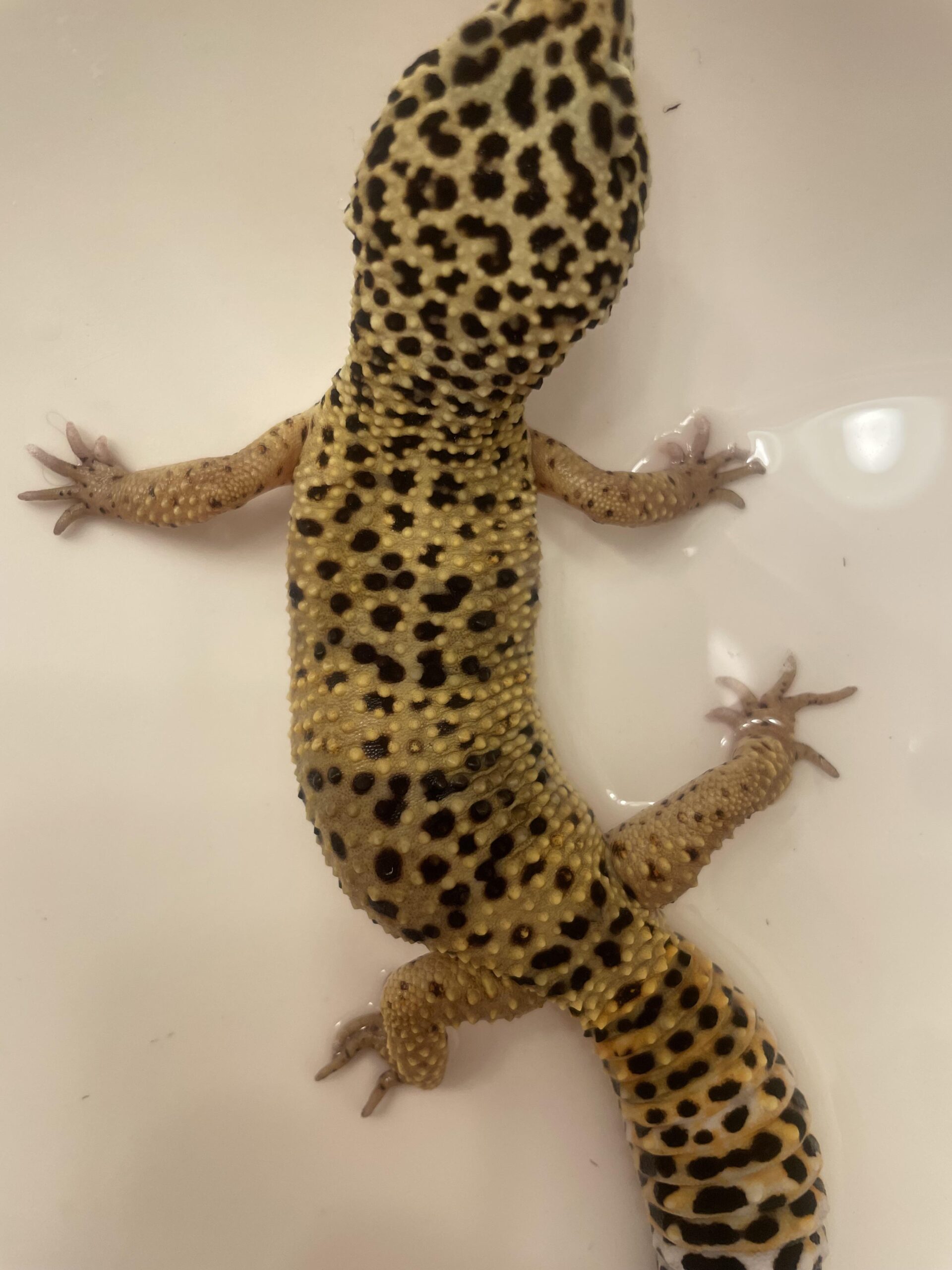
Stuck shed on a gecko’s toes is one of the most common yet dangerous shedding problems, especially in leopard geckos, crested geckos, tokays, and day geckos.
If not treated early, shed can tighten around the toes like a tourniquet, cutting off circulation and eventually causing toe loss.
This guide explains why stuck shed happens, how to remove it safely, and how to prevent it from ever happening again.
Is Stuck Shed on Toes an Emergency?
Yes — it can become serious.
If shed is stuck for more than 48 hours, it may:
- restrict blood flow
- cause swelling
- lead to infections
- cause necrosis
- result in toes falling off
Early action is crucial.
7 Causes of Stuck Shed on Gecko Toes
1. Low Humidity (Most Common Cause)
Desert species like leopard geckos still need short-term humidity boosts to shed correctly.
When humidity drops too low, shed dries and tightens around the toes.
Ideal humidity ranges:
- Leopard gecko: 30–40% (with a moist hide 70–80%)
- Crested gecko: 50–70%
- Tokay/day gecko: 60–80%
2. No Proper Moist Hide (Leopard Geckos)
Without a moist hide filled with damp sphagnum moss or paper towels, shed dries too fast.
3. Dehydration
Dehydrated geckos shed in thin, brittle layers that stick to toes, tail tips, and eye caps.
4. Poor Nutrition / Vitamin Deficiencies
Low vitamin A and improper supplementation can cause incomplete shedding.
5. Old Age or Juvenile Shedding Issues
- Babies shed more often and can get stuck shed easily.
- Older geckos may shed slower and less efficiently.
6. Illness or Stress
Geckos with infections, parasites, or recent tank changes often shed poorly.
7. Previous Toe Injury
Old wounds create scar tissue that doesn’t shed as cleanly.
How to Remove Stuck Shed From Gecko Toes (Safe, Step-by-Step)
These are the safest, vet-recommended methods. Never pull shed off dry—it can tear skin.
METHOD 1: Warm Soak (Safest for Leopard Geckos)
Works best for: leopard geckos & fat-tail geckos.
Steps:
- Fill a shallow container with lukewarm water (not hot).
- Water height should reach just above the toes.
- Let the gecko soak for 10–15 minutes.
- Gently massage toes with a wet cotton swab.
- Use tweezers only if the shed is fully loosened.
Never force shed off.
METHOD 2: Humidity Chamber (Moist Hide Rescue)
Safe for all species, especially crested & day geckos.
Steps:
- Place the gecko in a temporary container with:
- warm damp paper towels
- ventilation holes
- Close the lid to trap humidity.
- Keep gecko inside for 20–30 minutes.
- Gently rub toes with a wet Q-tip after.
Repeat daily until shed loosens.
METHOD 3: Vet-Approved 100% Pure Aloe Vera (Softens Dry Shed)
Great for stubborn layers.
Steps:
- Dab a tiny amount on the dry toe.
- Leave for 10 minutes.
- Wipe off and try again with warm water or Q-tip.
Avoid commercial aloe gels—use pure plant extract only.
METHOD 4: Reptile-Safe Shedding Aid (Emergency Use)
Sprays like “Repti-Shed Aid” can help, but use sparingly.
Tips:
- Never spray directly into eyes.
- Apply on a Q-tip and dab only on the toes.
Avoid These Dangerous Methods
Do NOT:
- Pull dry shed
- Use oils (coconut, olive, Vaseline)
- Use hot water
- Use human lotion
- Peel with your nails
These can cause burns, infections, or skin tear injuries.
When to Call a Vet (Red Flags)
If any of these appear, seek a reptile vet ASAP:
- Toe is purple, black, or swollen
- Skin is cracked or bleeding
- Gecko limps or avoids pressure
- Shed has been stuck for more than 4–5 days
- Multiple toes affected
- You see pus or discharge
Early vet intervention prevents toe loss.
External reference:
https://arav.org (Association of Reptile Veterinarians)
How to Prevent Stuck Shed on Toes (Long-Term Fix)
1. Keep Proper Humidity
Use a hygrometer. Spray or run a humidifier if needed.
2. Provide a Moist Hide
A MUST for leopard geckos and fat-tails.
Fill with:
- damp sphagnum moss
- damp cocofiber
- wet paper towels
Keep humidity inside at 70–80%.
3. Ensure Proper Nutrition
Feed a varied diet and use supplements correctly:
- Calcium with D3 — 2–3x a week
- Multivitamin — 1x weekly
Vitamin A deficiency = chronic shedding problems.
(Internal link to your “Feeding & Nutrition” category.)
4. Maintain Proper Tank Temperatures
Cool geckos shed poorly.
Keep warm side at 88–92°F.
5. Avoid Overhandling During Shed
Shedding geckos are sensitive; stress slows the process.
6. Provide Rough Surfaces
Help them rub shed off naturally:
- cork bark
- slate tile
- rough branches
7. Keep the Gecko Hydrated
Offer water daily and mist geckos that require higher humidity.
FAQ
Can a gecko lose toes from stuck shed?
Yes—circulation can cut off if shed stays too long.
Can I pull shed off my gecko’s toes?
Only if it’s soaking wet and already loose.
Never pull dry shed.
How long does it take for stuck shed to come off?
Most cases resolve in 1–3 days with proper soaking and humidity treatment.
Is stuck shed painful?
Yes, especially when tight. It can become an infection risk.
Do crested geckos get stuck toe shed too?
Yes—especially juveniles and dehydrated individuals.